
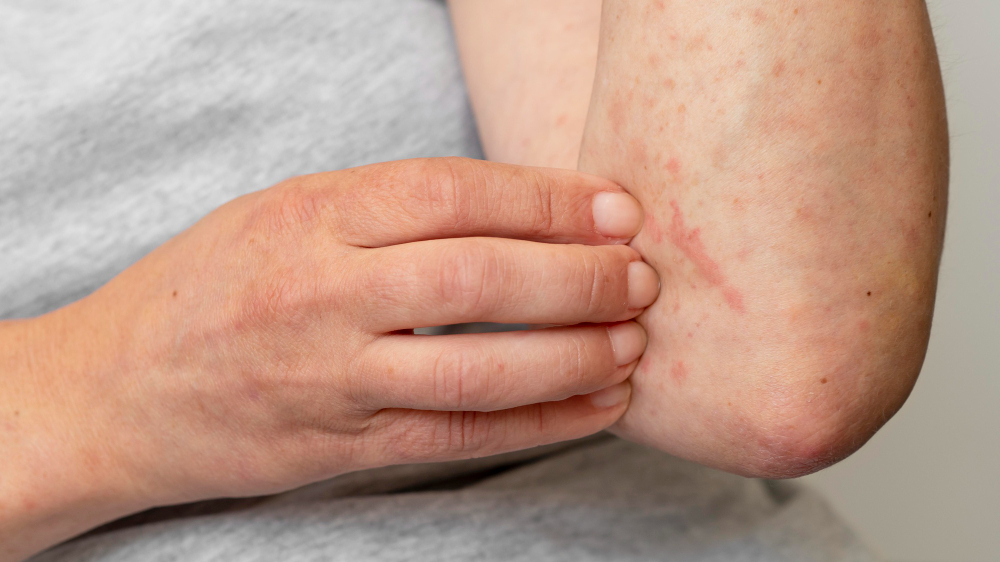
What is Dermatitis?
Dermatitis is a common skin condition. It causes redness, swelling, and itching. Many people call it eczema. However, dermatitis is a broad term for skin inflammation. It can affect people of all ages. Although it is not contagious, it can be uncomfortable. Early care can help manage symptoms and prevent flare-ups.
Common Causes of Dermatitis
There are several reasons why dermatitis may develop. Sometimes, it is due to contact with certain substances. Other times, it may be linked to allergies or genetics. For example, some people react to soaps or detergents. Others may have a family history of skin problems. In addition, stress and dry skin can make it worse. Here are some common dermatitis causes:
Recognizing Symptoms of Dermatitis
Dermatitis symptoms can vary. Yet, most people notice itching and redness first. Over time, the skin may swell or form blisters. Sometimes, the skin becomes dry or scaly. For example, you might see rough patches or cracks. In severe cases, the skin may ooze or bleed. Watch for these common dermatitis symptoms:
Because symptoms can look like other skin problems, it is important to get a proper diagnosis.
How Dermatitis is Diagnosed
Doctors use several steps to diagnose dermatitis. First, they ask about your symptoms and medical history. Next, they examine your skin closely. Sometimes, they may do a patch test. This test helps find out if you are allergic to certain substances. In rare cases, a skin biopsy may be needed. This means a small piece of skin is checked under a microscope. According to the CDC, most cases are diagnosed by looking at the skin and asking questions about your lifestyle.
Treatment Options for Dermatitis
There are many dermatitis treatment options. The right choice depends on the type and cause. Most treatments aim to reduce itching and swelling. For mild cases, simple creams or ointments may help. In more severe cases, doctors may prescribe stronger medicines. Here are some common treatments:
Always follow your doctor’s advice. Do not use over-the-counter creams for long periods without guidance.
Lifestyle Tips and Home Care
Good skin care can make a big difference. Even small changes can help prevent flare-ups. For instance, using gentle soaps and moisturizers can protect your skin. Here are some helpful tips:
Because home care is important, talk to your doctor about the best routine for you.
Preventing Dermatitis
While not all cases can be prevented, you can lower your risk. For example, avoid known triggers and keep your skin healthy. Here are some tips on how to prevent dermatitis:
Because prevention is key, regular skin care and awareness can help you stay comfortable.
In summary, dermatitis can be managed with the right care. If you notice symptoms, seek help early. Consult a dermatologist Dr. Kavita Singh for personalized advice on dermatitis.