
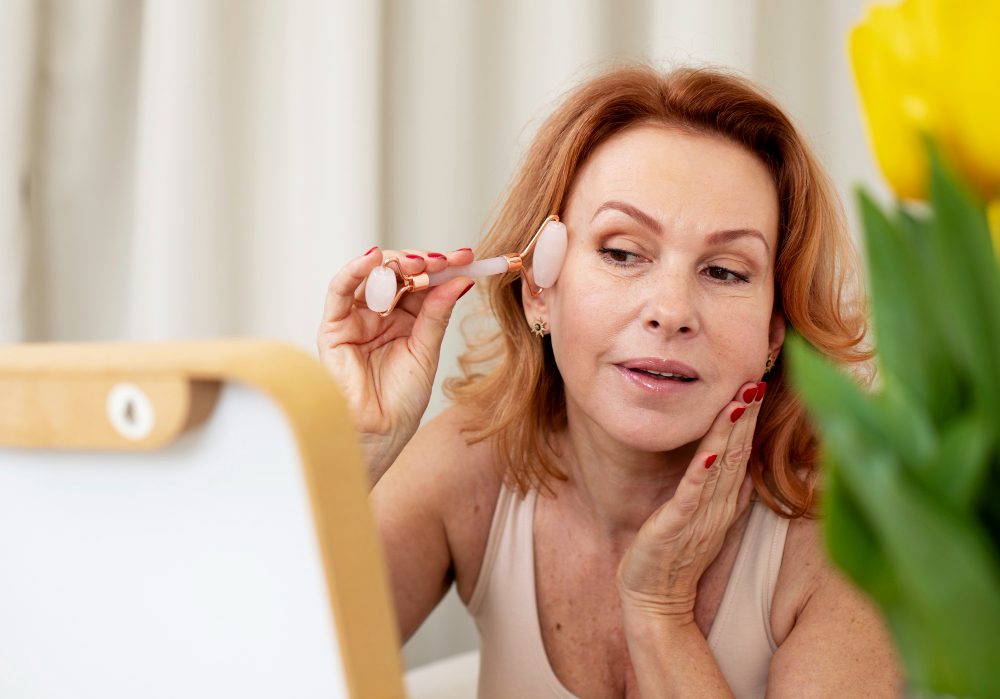
Introduction: Why Aging Skin Matters
Aging skin is a natural part of life. As we grow older, our skin changes. These changes can affect how we look and feel. Early signs of aging skin can appear sooner than you might expect. Because our skin protects us, keeping it healthy is important. In this blog, you will learn about the early signs of aging skin, what causes them, and the best ways to support skin health. Understanding these facts can help you make smart choices for your skin.
Early Signs of Aging Skin
Many people notice the first signs of aging skin in their 30s or 40s. However, some changes can happen even earlier. Knowing these signs helps you act early. Common early signs of aging skin include:
For example, you may notice your skin feels drier or looks less bright. These changes are normal, but you can take steps to slow them down.
Common Causes and Risk Factors
Several factors can speed up skin aging. Some you can control, while others you cannot. Understanding these causes helps you protect your skin. The most common causes and risk factors include:
Because some causes are preventable, making healthy choices can help slow skin aging.
Diagnosis and When to Consult a Dermatologist
Most early signs of aging skin are easy to spot. However, sometimes changes may signal other health issues. If you notice sudden changes, new spots, or sores that do not heal, see a dermatologist. A dermatologist is a skin doctor who can check your skin and suggest the best care. For example, if you have a family history of skin cancer or severe sun damage, regular check-ups are important. Early diagnosis helps prevent serious problems and keeps your skin healthy.
Evidence-Based Ways to Support Skin Health
There are many ways to support skin health and slow aging. Experts from the World Health Organization and dermatology journals recommend these steps:
Because these steps are backed by science, they are the best ways to support skin health at any age.
Prevention Tips and Lifestyle Guidance
Although you cannot stop aging, you can slow its effects on your skin. Try these prevention tips:
For best results, combine these tips with a healthy lifestyle. Because small changes add up, your skin will thank you over time.
Myths and Facts About Aging Skin
Many myths about aging skin can be confusing. Let’s clear up some common ones:
Because facts matter, always check with a trusted source or dermatologist before trying new products or treatments.
Conclusion: Take Action for Healthy Skin
In summary, aging skin is normal, but you can slow its signs. By knowing the early signs of aging skin and following evidence-based tips, you support your skin’s health. For the best advice, consult a dermatologist Dr. Kavita Singh for personalized skin health guidance.