What is Platelet-Rich Plasma (PRP) for Skin?
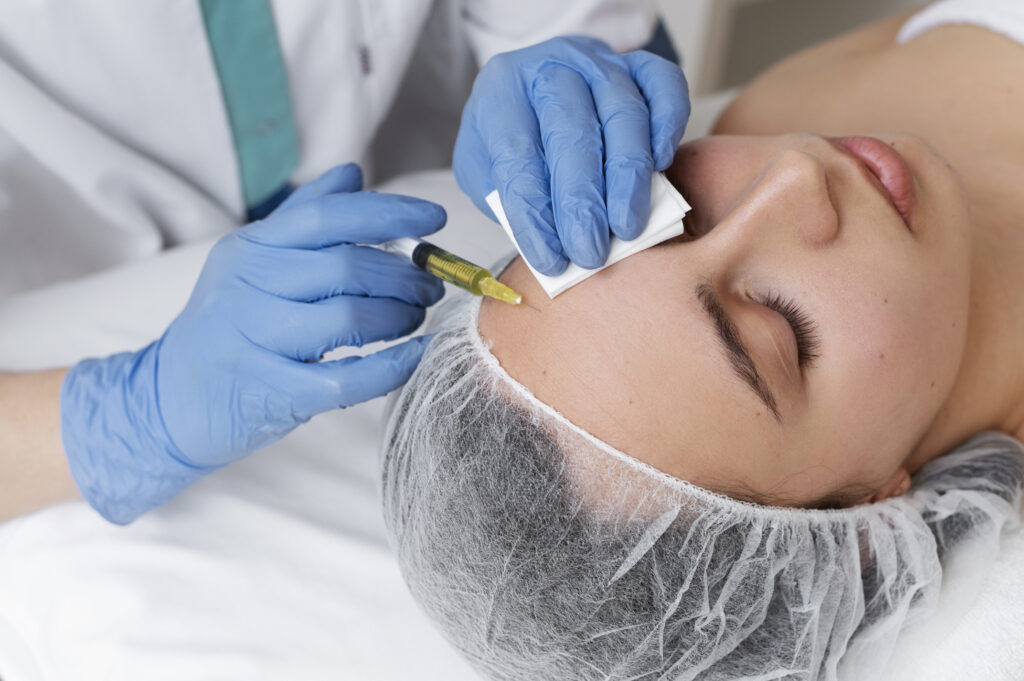
PRP for skin is a treatment that uses your own blood to help your skin look younger. Doctors take a small amount of your blood and spin it in a machine. This process separates the platelets, which are tiny cells that help heal your body. Then, they use these platelets to treat your skin. Many people call this a “PRP facial” or “Platelet-Rich Plasma treatment.” PRP for skin is popular because it uses your body’s natural healing powers.
How Does PRP Work for Skin Rejuvenation?
PRP skin rejuvenation works by boosting your skin’s ability to heal and renew itself. After the platelets are separated, doctors apply or inject them into your skin. As a result, your skin gets a boost of growth factors. These growth factors help your skin make more collagen. Collagen is a protein that keeps your skin firm and smooth. Over time, you may notice your skin looks fresher and younger. In fact, many people choose PRP for skin to improve texture and tone.
Benefits of PRP for Skin
There are several reasons people choose PRP facial benefits for their skin. Some of the main benefits include:
Additionally, PRP for skin is safe for most skin types. Because it uses your own blood, the risk of allergic reaction is very low.
The PRP Procedure: What to Expect
Before your PRP skin rejuvenation, your doctor will explain the steps. Here is what usually happens:
Most PRP treatments take about 30 to 60 minutes. You can usually go home right after the procedure.
Safety, Risks, and Side Effects
PRP for skin is considered safe for most people. However, like any treatment, there are some risks. According to the CDC and medical studies, side effects are usually mild. Common side effects include:
These effects often go away within a few days. Rarely, infection or scarring can occur. But, since PRP uses your own blood, the risk of allergic reaction is very low. Always choose a trained medical professional for your PRP treatment.
Who is a Good Candidate for PRP?
Not everyone is the right fit for PRP skin rejuvenation. Good candidates usually:
However, people who are pregnant, have certain skin diseases, or take blood thinners should avoid PRP. Therefore, always talk to your doctor before starting treatment.
Results and Recovery
After PRP for skin, you may notice some redness or swelling. This usually fades within a day or two. Most people see results in a few weeks. However, full results may take up to three months. For best results, some people need more than one treatment. Your doctor will guide you on how many sessions you need. Recovery is quick, and you can return to daily activities soon after the procedure.
Frequently Asked Questions About PRP for Skin
Prevention and Aftercare Tips
After your PRP skin rejuvenation, proper care is important. Here are some tips to help your skin heal:
Following these tips can help you get the best results from your Platelet-Rich Plasma treatment.
Conclusion
In summary, PRP for skin is a safe and natural way to refresh your appearance. It uses your own blood to help your skin heal and look younger. While side effects are rare, it is important to choose a skilled provider. For personalized advice, consult a dermatologist Dr. Kavita Singh before starting PRP skin rejuvenation.