
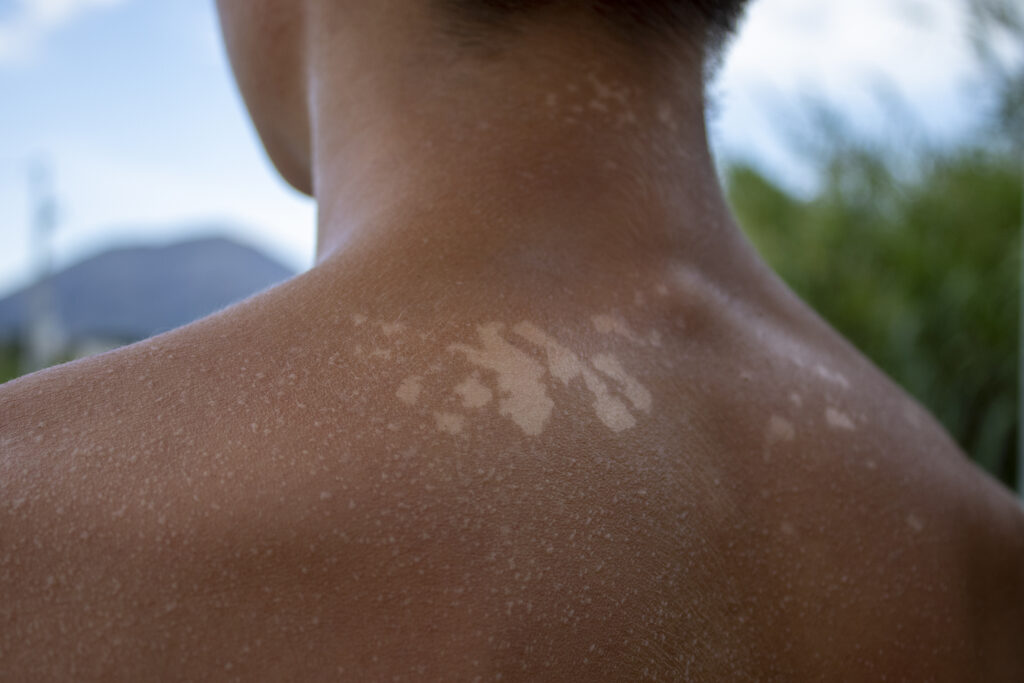
What Are Milia (Milk Spots)?
Milia, also called milk spots, are small white bumps that often appear on the skin. Usually, they show up on the face, especially around the eyes, nose, and cheeks. Although milia can look like pimples, they are not caused by bacteria or oil. Instead, they form when dead skin cells get trapped under the skin’s surface. For many people, milia are harmless and do not cause pain. However, they can be bothersome because of their appearance.
Common Symptoms of Milia
Most of the time, milia are easy to spot. They have a few key features that set them apart from other skin issues. For example, they are:
Sometimes, milia may show up in groups. While they do not cause discomfort, some people may feel self-conscious about them.
Causes and Risk Factors
Milia form when dead skin cells get trapped under the outer layer of skin. Because of this, they can happen to anyone. However, some factors make milia more likely. For instance, newborn babies often get milia, but adults can develop them too. Other risk factors include:
According to dermatology experts, milia are not contagious. Therefore, you cannot catch them from someone else.
Diagnosis of Milia
Usually, a doctor or dermatologist can diagnose milia just by looking at your skin. Since milia have a unique appearance, tests are rarely needed. However, if the bumps look unusual or do not go away, your doctor may suggest a skin biopsy. This simple test helps rule out other skin conditions. Most of the time, though, milia are easy to identify without special tools.
Treatment Options for Milia
In many cases, milia go away on their own. Still, some people want faster results or wish to remove them for cosmetic reasons. Here are some common treatment options:
It is important not to squeeze or pick at milia. Doing so can cause infection or scarring. For those wondering how to treat milia at home, gentle skincare is best. However, if milia do not improve, professional milia removal may be needed.
Prevention Tips
While milia cannot always be prevented, some steps may lower your risk. For example, you can:
By following these tips, you may help in preventing milk spots from forming. Still, some people may get milia even with good skincare habits.
When to See a Dermatologist
Most milia are harmless and do not need treatment. However, you should see a dermatologist if:
Sometimes, other skin conditions can look like milia. Therefore, a dermatologist can help with the right diagnosis and treatment plan.
In summary, milia (milk spots) are common and generally harmless, often resolving with gentle care. If you have concerns or need guidance on managing milia, consult Dr. Kavita Singh for personalized dermatology care.